

Pardon the mess! While we work on our website, kindly head over to our Instagram.
SERENE, MONT KIARA
SERENE, MONT KIARA
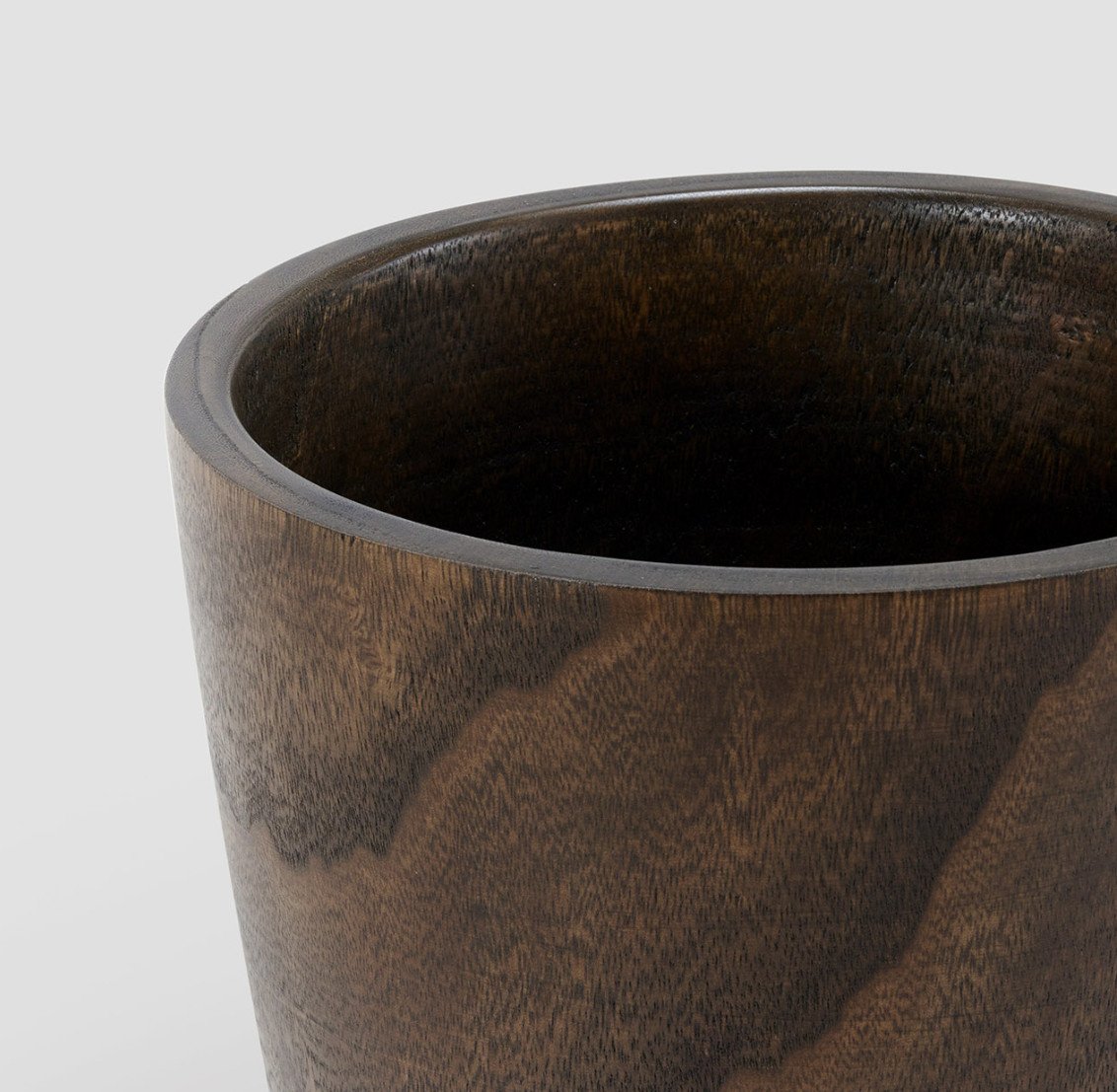
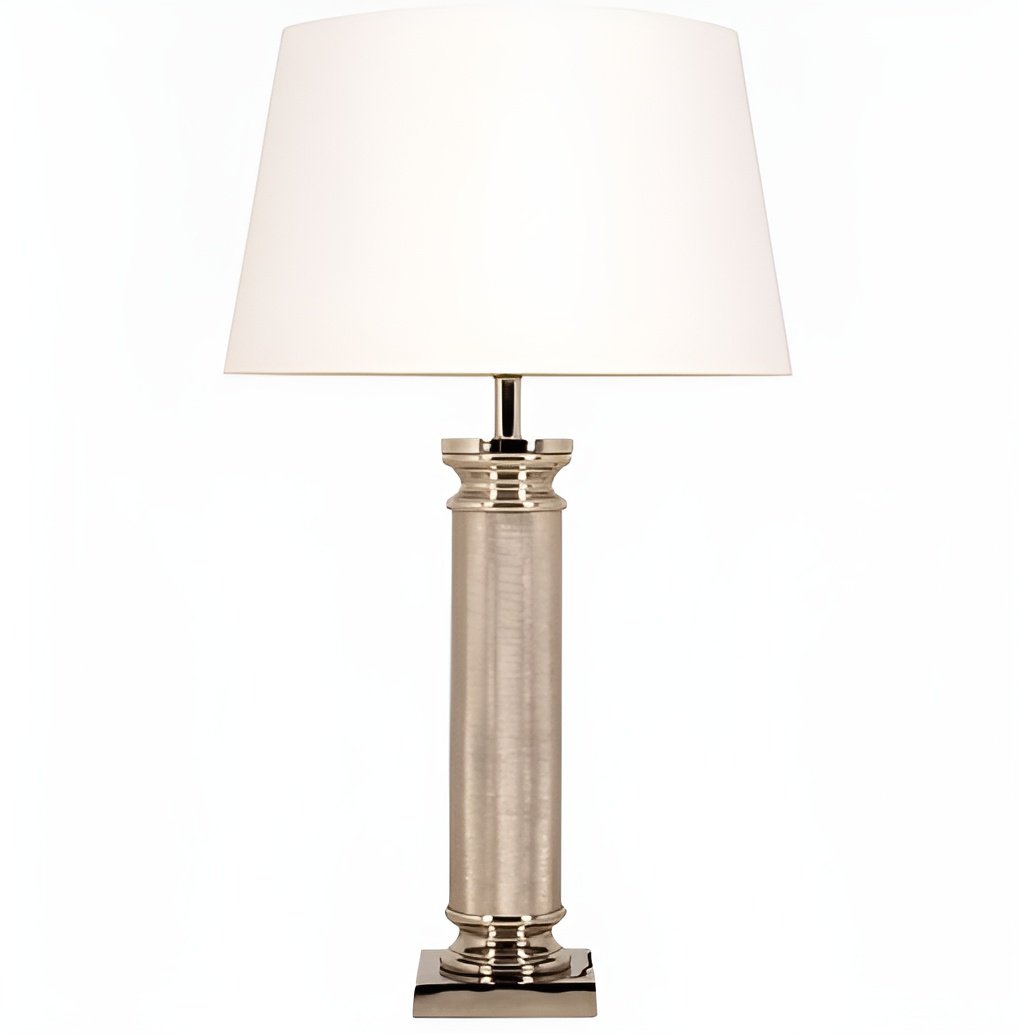
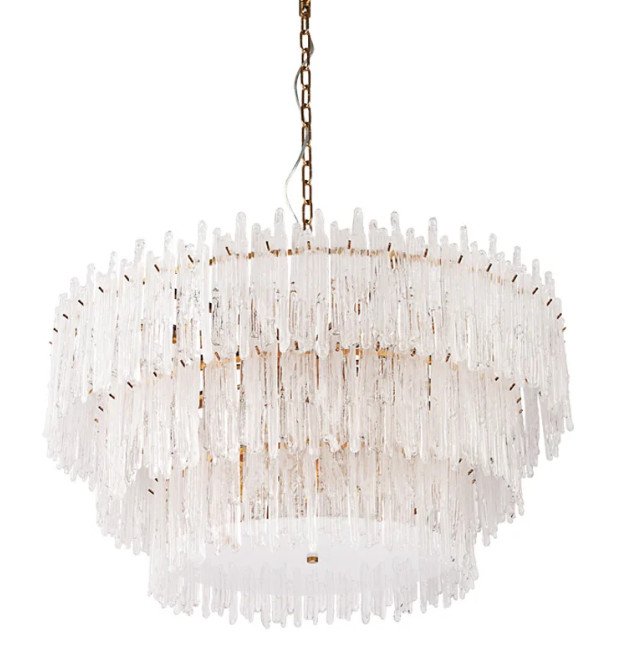
Minimalist interior design is rooted in the philosophy of simplicity and purpose, aiming to create spaces that are both functional and aesthetically pleasing. At the heart of minimalism is the concept of “less is more,” which encourages the elimination of unnecessary items and a focus on what truly adds value to one’s living space. This approach not only fosters a clutter-free environment but also promotes a sense of calm and order, essential for a balanced lifestyle.
One of the defining characteristics of minimalist interior design is the emphasis on clean lines. Furniture and architectural elements are often sleek and unadorned, contributing to a streamlined appearance. This simplicity extends to the overall layout of the space, where each element is carefully chosen for its function and form, ensuring that every piece has a purpose.
Neutral color palettes play a significant role in minimalist design. Shades of white, grey, beige, and other muted tones dominate, creating a serene and cohesive look. These colors not only enhance the sense of space and light but also serve as a blank canvas for the occasional pop of color or texture, allowing for subtle yet impactful accents.
Natural light is another crucial element in minimalist interiors. Large windows, skylights, and open floor plans are designed to maximize the flow of light, creating bright and airy spaces. The use of natural light helps to highlight the simplicity and beauty of the design, making the space feel more open and inviting.
Quality over quantity is a fundamental principle of minimalism. Instead of filling a room with numerous items, the focus is on selecting a few high-quality pieces that offer both aesthetic appeal and practical functionality. These elements are often timeless and durable, ensuring they stand the test of time and contribute to a sustainable way of living.
By adhering to these principles, one can create harmonious spaces that not only look beautiful but also promote a sense of tranquility and well-being. Minimalist interior design, with its emphasis on simplicity, functionality, and quality, offers a pathway to a more mindful and intentional way of living.
Embracing minimalism in interior design can transform your home into a serene and clutter-free sanctuary. The first step in achieving a minimalist interior is thorough decluttering. Assess each room and eliminate unnecessary items that do not serve a functional purpose or evoke a sense of joy. Donating, recycling, or repurposing these items can help create a more open and organized space.
Once decluttering is complete, focus on organizing your remaining belongings efficiently. Utilize storage solutions that maintain the minimalist aesthetic, such as built-in cabinets, floating shelves, and concealed storage units. Keeping surfaces clear and maintaining a sense of order will enhance the minimalist appeal of your home.
When selecting furniture, opt for pieces that embody simplicity and functionality. Multi-functional furniture, such as a sofa bed or a dining table with storage compartments, can maximize space while maintaining a clean look. Choose furniture with simple, geometric shapes and understated designs to align with minimalist principles. Quality over quantity is key; invest in a few essential, timeless pieces rather than overcrowding your space with unnecessary items.
Color schemes play a crucial role in minimalist design. Neutral tones, such as whites, grays, and beiges, create a calm and cohesive environment. Incorporate natural materials like wood, stone, and linen to add warmth and texture without overwhelming the space. These elements bring a sense of nature indoors, fostering a serene atmosphere.
Decorative elements should be used sparingly. Select a few meaningful items, such as a piece of artwork or a plant, to add personality without cluttering the space. The key is to maintain a balance between simplicity and personal expression.
Transitioning to a minimalist lifestyle can pose challenges, such as overcoming the habit of accumulating items. To address this, adopt a mindful approach to purchasing and continually reassess your belongings. Establishing routines for regular decluttering and organization will help you maintain a minimalist home in the long term.
By following these practical tips, you can embark on your journey towards a minimalist interior, creating a harmonious and simplified living environment.
